
Blogs

October 28, 2026
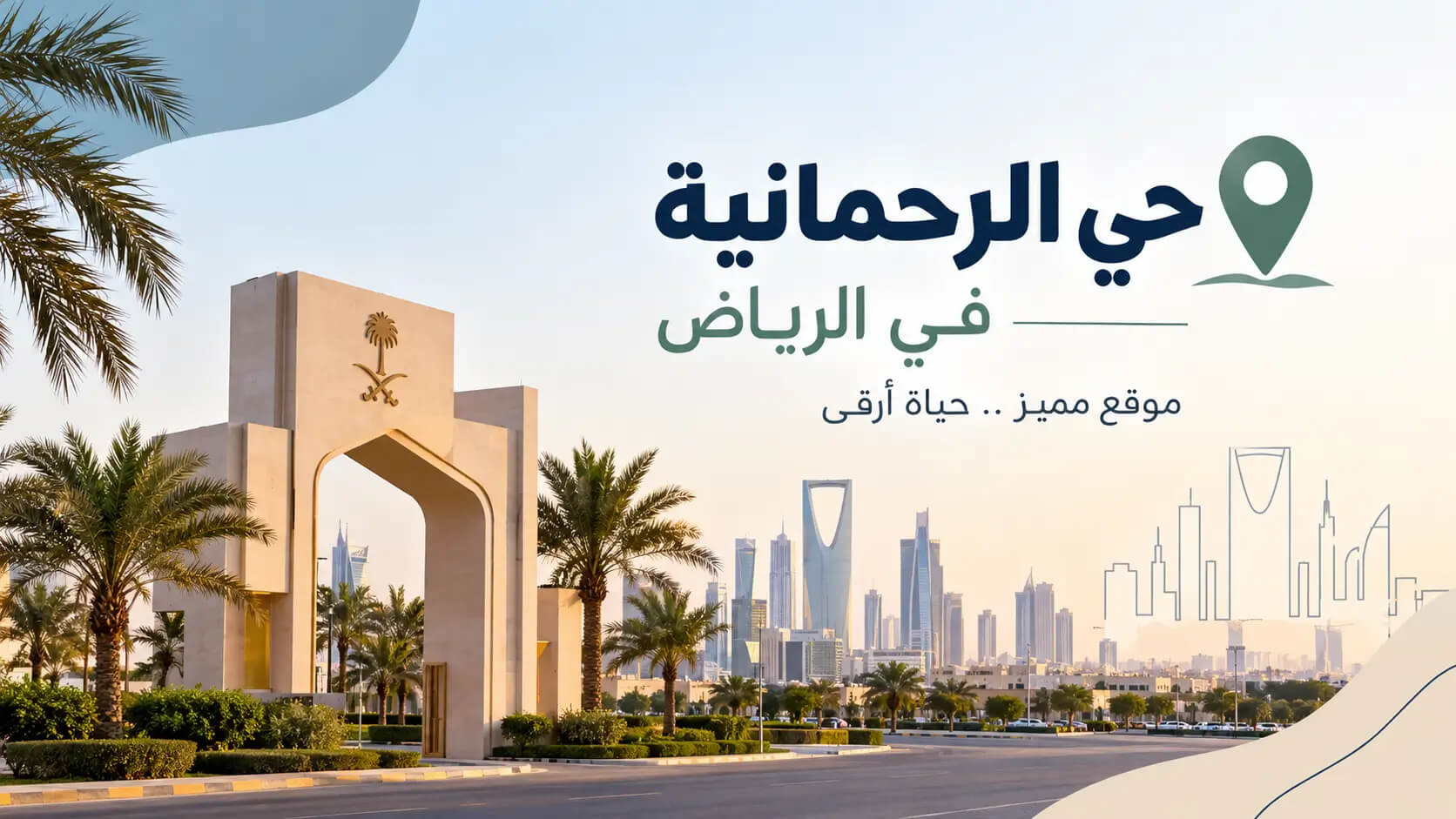
Al Rahmaniyah district Riyadh sits in the north of the capital at Exit 10, within the Al Muath municipality area, and ranks 13th out of 177 residential districts in Riyadh by median price per square metre, according to Ministry of Justice transactions published through the Raghdan platform.
That rank says one thing clearly and hides another: the district is expensive, but it has few transactions, so any figure you read rests on a small number of deals. This guide shows the numbers together with their limits.
It covers the district's location and boundaries, the exit, price per metre against neighbouring districts, apartments and villas, schools, hospitals and hotels, a rating of the district, and Mada Properties projects you can use as a yardstick.
The district is ringed by four main roads and upscale neighbours:
Al Takhassusi Street is among its best-known internal streets.
Al Rahmaniyah is at Exit 10 in Riyadh, with fast access to the city's main routes because the district sits between major roads on all four sides.
The median residential price is SAR 10,293 per square metre, calculated on residential deals in the last 24 months (latest deal 25 September 2025), from Ministry of Justice data shown by Raghdan (updated 7 August 2026).
Against neighbours on the same platform: Al Sahafa SAR 12,691, Hittin 10,536, Al Olaya 10,364, Al Rahmaniyah 10,293, Al Malqa 9,000 and An Narjis 8,478.
The limits matter. The district recorded 14 residential deals in 24 months and 321 deals since 2020, which ranks its trading activity 126th of 177. Treat the figure as an indicator of level, not the price of a specific property.
The median size of recent residential deals is about 450 m², so deals lean towards larger plots and villas rather than small units.
Apartments, floors and townhouses are available for sale and rent. Compare any unit's price per metre with the district median (SAR 10,293) and with neighbouring districts.
Villas tend to sit on large plots, which is what the median size reflects.
Commercial property is 8% of deals and includes offices and shops for long-term investment.
There is no official district rating, so we read it from four angles:
It suits people who will live there for years or invest long term and accept lower liquidity for a settled location. It does not suit someone who needs a quick sale or a low entry price.
Mada Properties does not currently list a project inside Al Rahmaniyah, but these five available projects work as a yardstick for any offer you see in the district.
Thuraya Tower is in Al Olaya, with one- to three-bedroom apartments from Wathba for Investment. It is the closest price comparison, since the median in Al Olaya is SAR 10,364 per metre. Prices start from SAR 1.9 million, with handover expected in Q3 2028.
Rayah Tower in Al Sahafa is developed by Jiwar Al Arabia and has 48 apartments and penthouses on a 900 m² plot, with two lifts and a maid's room. Its page shows the licence number (485) and the Wafi permit. Prices start from SAR 1,785,000, with handover expected in Q4 2028. Al Sahafa is pricier than Al Rahmaniyah, at SAR 12,691 per metre.
Summit Tower is in Al Sahafa, developed by Summit for Real Estate Development and Investment, with one- and two-bedroom apartments from SAR 995,000 and handover expected in Q2 2028, the lowest price on this list.
For a ready villa, Amaas 21 Villa offers villas for sale by Amaas Real Estate Development in central Riyadh, according to its page, from SAR 1,950,000.
For commercial property, Al Adwan Tower offers 122 flexible office units in Al Nakheel near the King Abdullah Financial District, from SAR 1.9 million, with handover expected in Q4 2027.
See all available projects on Mada Properties' projects page.
Mada Properties is a professional real estate broker, not a developer, so we start from your goal, not from a project we own. In a district with few deals like Al Rahmaniyah, a broker who reads the market, not just the averages, adds real value. Contact us to compare what you see in the district with what is available today.
Al Rahmaniyah district Riyadh combines a strong location at Exit 10 with a high price and limited liquidity. That suits buyers who plan to stay, not those who plan to sell quickly. Before any decision, compare the price per metre you are offered with the district's common range (SAR 8,266 to 12,063) and ask for recent comparable deals.
October 26, 2026
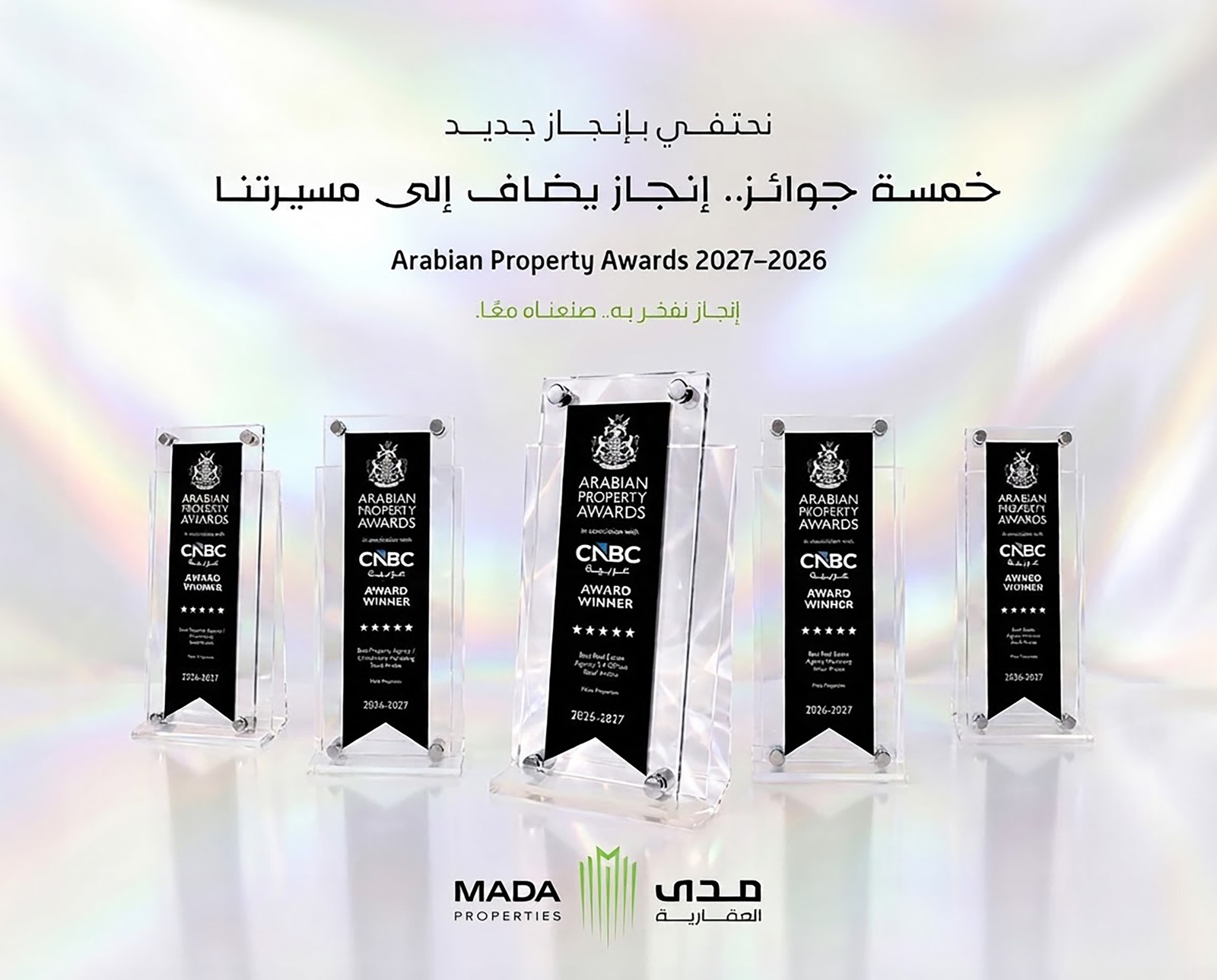
Mada Properties has won five awards at the Saudi Arabia Property Awards 2026-2027, the Saudi categories of the Arabian Property Awards presented in association with CNBC Arabia, each carrying a five-star rating.
The five awards cover the real estate agency, property consultancy, real estate marketing and the agency website. They extend a record that began in the 2023-2024 season with a single category and has grown in every season since.
This article explains what the awards are, how they are judged, what each of the five awards recognises, and how to verify any real estate company's awards before you rely on them.
The Saudi Arabia Property Awards are the Saudi categories of the Arabian Property Awards, which are part of the International Property Awards run by International Property Media in the UK. The awards recognise excellence in real estate, development, architecture, interior design and marketing, in both the residential and commercial sectors, with a focus on service, sustainability, originality and creativity.
The organiser announced a category named "Saudi Arabia Property Awards" and described it as the first global real estate award named after the Kingdom. Entrants apply at national level, a panel of experts judges the entries, and winners are invited to the awards ceremony and may use the award logo in their marketing. That is why Mada's trophies carry the words "Saudi Arabia" after each category name. Top winners in each region then go forward to the international awards.
All five trophies carry the Arabian Property Awards mark, the words "in association with CNBC Arabia", a five-star rating and the 2026-2027 season.
This category is for real estate agencies running between two and four offices. Mada publishes four office addresses in Riyadh: As Sahafah, Al Aridh, Al Rimal and Olaya Street.
A category that combines brokerage and advice. It matches what Mada does when it compares the options on the market and recommends districts and projects according to the client's goal, which is the role of a property consultancy.
This award covers the marketing of a real estate agency. Mada states in its articles that its marketing rests on reading the market, analysing data and reaching the right client.
The marketing category for agencies and advisory firms.
This one concerns the agency's website. Mada's site brings together projects, districts and articles, and a mobile app carries the same content.
See the record of earlier awards on Mada's Awards & Recognition page.
The organiser states that the awards are judged by an independent panel of more than 100 industry experts, chaired by members of the UK House of Lords. Judging focuses on:
The path to an award has five steps:
The 2026 Arabia Property Awards celebration takes place on 5 November 2026 in the House of Lords, London, as a private event for a select number of award-winning companies, according to the event website.
According to Mada's Awards & Recognition page and blog:
The pattern is clear: from one category to five in four seasons. But every season is judged separately, so an earlier award does not replace a look at the current one. For a wider reading of what these awards mean for an investor, see our article on Mada's award success story.
There is no official list that names the best real estate agency in Saudi Arabia, and awards are one signal among several. Whether you want a top real estate consultancy or a brokerage, ask:
A real estate agency handles brokerage and client service from advice to closing, while real estate marketing focuses on reaching clients and showing a project's value. That is why the awards separate the agency category from the marketing category, and Mada won both this season.
Choose an agency that works as a broker, not a developer: it compares projects for you instead of promoting its own.
Mada won two marketing categories this season. From the client's point of view, good marketing shows up in three ways:
We explain our approach in our guide to the best real estate agency in Saudi Arabia.
Many companies display award logos. Checking one takes minutes:
An award assesses a company's performance, while licensing is a legal requirement to operate. A five-star award and a brokerage licence are different things: the first goes to those who excel, the second is something nobody can operate without.
Check the broker's Fal licence, and the licence of the listing, with the Real Estate General Authority before any payment, then look at the awards.
Mada Properties is a professional real estate broker, not a developer, so we start from your goal, not from a project we own. We read the market, compare the options on Mada's projects page and stay with you to closing. The five awards recognise that approach, but they do not replace checking for yourself. Contact us and we will recommend what suits your budget and goal.
The Saudi Arabia Property Awards give clients an independent signal they can verify, provided you read it as it is: a category, a season and a level. Mada Properties holds five five-star awards in 2026-2027, but a good property decision starts with the licence, passes through comparison and is settled with numbers.
October 21, 2026
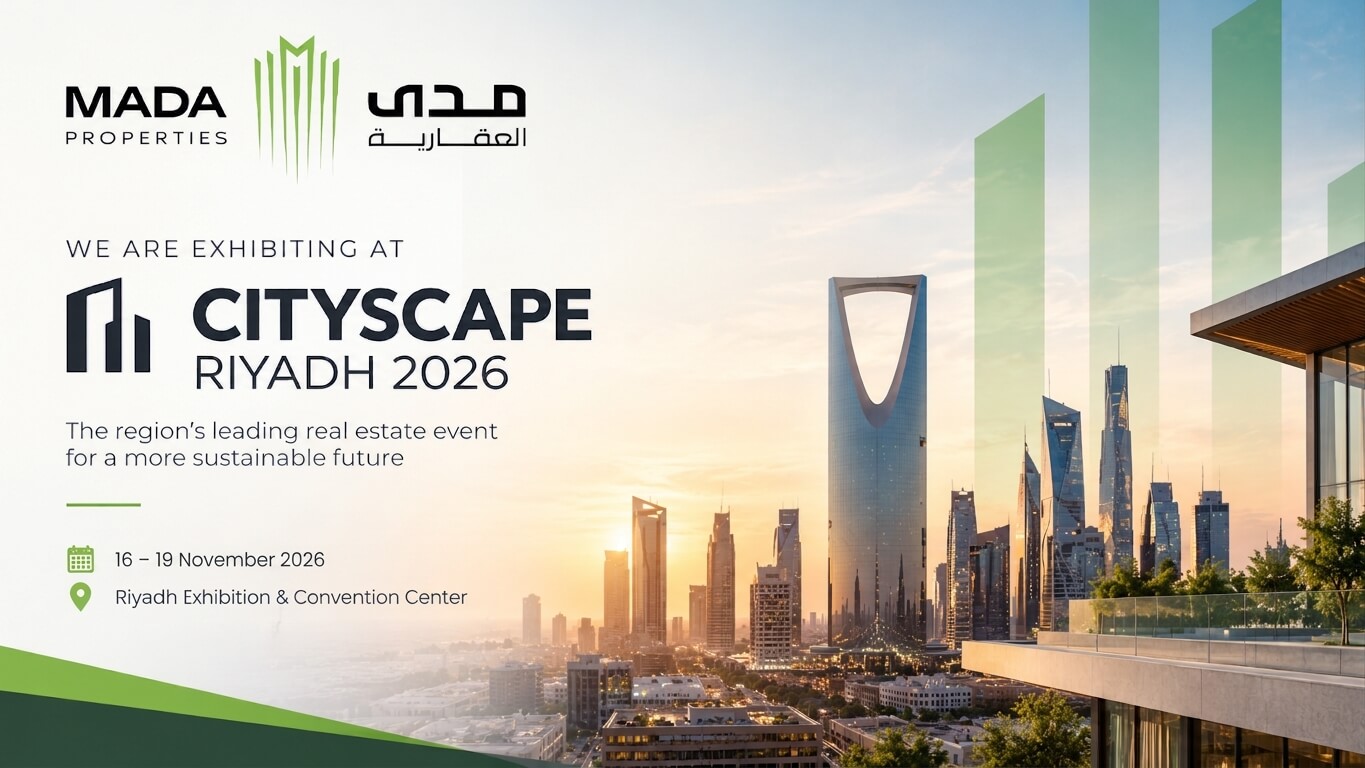
Cityscape 2026 Riyadh runs from 16 to 19 November at the Riyadh Exhibition & Convention Center (Malham), bringing developers, investors, banks and real estate decision-makers together for four days of project launches and deal-making.
The 2025 edition alone announced real estate deals worth SAR 237 billion in four days. That is why Cityscape is no longer only for developers: individual buyers and small investors now attend to see opening prices and payment plans before they reach the open market.
This guide covers what visitors look for most: the Cityscape 2026 date and venue, the exhibitor list, projects and offers, tickets and registration, how to get there, and how to prepare.
Cityscape 2026 Riyadh is the 2026 edition of Cityscape Global, which its organisers describe as the world's most attended real estate exhibition. It is organised by Tahaluf in partnership with the Real Estate General Authority (REGA), and this year's slogan is "The Capital of Real Estate".
The show in numbers:
It arrives months after Saudi Arabia's non-Saudi property ownership law took effect on 22 January 2026, which widened interest from abroad.
The Cityscape 2026 date is Monday 16 to Thursday 19 November 2026. Doors open to visitors from 12:00 pm to 10:00 pm every day.
The venue is the Riyadh Exhibition & Convention Center (Malham) in north Riyadh, about 30 km from King Khalid International Airport according to the organisers. Visitors often call it "Cityscape Malham".
The official exhibitor list is published on the Cityscape Global website and updates until the show opens. Confirmed so far:
Do not rely on the list alone: new launches may be announced during the show, so follow the show's and developers' channels across the four days.
The official ticket page describes mortgage solutions, ownership options and payment plans offered directly by developers and banks. In practice, Cityscape projects and offers come in three forms:
At the 2025 opening, Minister Majed Al-Hogail said real estate loans to individuals and companies reached about SAR 961 billion by Q2 2025 and citizen home ownership passed 65% at end-2024.
A show offer is not always the cheapest price in the market. Ask before you book:
Cityscape Riyadh 2026 offers three ticket categories: General, Business, and VIP. Each pass provides different benefits to suit visitors' needs, from exploring the exhibition to enjoying exclusive networking opportunities and premium hospitality services.
The General Pass is available free for a limited time, reduced from SAR 100. The offer ends on 15 November 2026. Benefits include:
The Business Pass costs SAR 2,438, including 15% VAT, reduced from SAR 3,000. It includes all General Pass benefits, plus:
The VIP Pass costs SAR 9,377, including 15% VAT, reduced from SAR 11,253. It offers a premium event experience with exclusive benefits, including:
The right ticket depends on your goals and budget. The General Pass is ideal for visitors exploring real estate opportunities, while the Business Pass suits professionals seeking networking opportunities and business services. The VIP Pass is designed for visitors who prefer exclusive access and premium hospitality.
Note: Ticket prices, promotional offers, and availability may change. Check the official Cityscape Riyadh 2026 ticketing page before registering.
To register: open the official ticket page or register by WhatsApp, choose a pass, enter your details exactly as on your ID (the pass is linked to your badge), pay by credit card if the pass is paid, then wait for the confirmation and badge emails. Each participant gets one pass only, fees are non-refundable and non-transferable, and accommodation and meals are not included.
The 2025 edition announced SAR 237 billion in deals over four days, including SAR 161.2 billion in the first two days. It also reported a 166,000 m² site (double 2023), 42 countries represented including 15 new ones, USD 6.1 trillion of real estate and infrastructure assets under management, 350+ investment meetings and 164,000+ attendees from 120+ countries.
Mada Properties is a professional real estate broker, not a developer, so we show you options as they stand in the whole market, not as a single developer presents them. Around a show, when offers and quick bookings pile up, a neutral broker compares launches with similar projects outside the show, checks the project's legal status and stays with you to closing. Contact us to compare what you see at the show with what is available today.
Cityscape 2026 Riyadh is the biggest chance this year to see the Saudi property market in one place: what will be launched, at what price and on what payment plan. It rewards visitors who arrive with a plan. Set your goal and budget before 16 November, register early, ask for every offer in writing and compare before you book.
August 27, 2026
Mortgage lending in Saudi Arabia operates inside a defined regulatory framework set by the Saudi Central Bank (SAMA), with each lender layering its own credit policy on top. The practical consequence is that eligibility, and the amount you can borrow, are not a verdict handed down at the branch. They are figures you can work out in advance.
That matters, because most property purchases in Riyadh today are financed over fifteen years or more, and the size of the financing available is what sets the range you can realistically shop in, not the other way round.
Real estate financing is an amount advanced by a bank or a finance company licensed by SAMA to buy a residential property, repaid in monthly instalments that typically run from fifteen to thirty years. The property is registered as security in the lender’s favour until the balance is settled in full.
One point of terminology worth clearing up early: in the Saudi market, "home loan," "mortgage" and "real estate financing" all describe the same thing. The meaningful difference is structural, most products offered in the Kingdom are built on Sharia-compliant contracts rather than interest-bearing lending, which is why you will see profit rates quoted rather than interest rates.
The contract structure varies between lenders. Three are common:
The difference between these is not just nomenclature. It affects when title passes to you, how early settlement is treated, and how insurance is handled. Ask which structure applies to your offer before you sign, not after.
Requirements are broadly consistent across lenders in the Kingdom; what varies are the thresholds:
Four of these decide the outcome more than the rest. They are worth taking in turn.
A complete, internally consistent file shortens the assessment and reduces the chance of rejection. Most lenders ask for:
Check that the details match across documents. A salary figure or employer name that reads differently on the salary certificate than on the bank statement is a routine cause of delay.
The Sakani programme, delivered with the Real Estate Development Fund (REDF), provides support to eligible Saudi nationals, including coverage of part of the profit margin up to a defined financing ceiling. General eligibility conditions:
The financing track adds further conditions: a minimum monthly income, a defined age band, the property being your first home, and an acceptable credit standing.
One point that is regularly missed: eligibility is determined through the Sakani platform, not by the bank. You can meet a lender’s commercial criteria and still fall outside the support criteria, or the reverse. Figures and ceilings are revised periodically, so use the official eligibility calculator rather than numbers quoted second-hand.
Financing is available to non-Saudis, on more conservative terms:
The wider ownership picture changed in 2026. Royal Decree M/14 took effect on 22 January 2026, consolidating non-Saudi property ownership under a single framework, and the Council of Ministers approved the executive regulations and the designated geographic zones in June 2026. Those zones include Riyadh. Because the rules are recent and documentation is still being published, confirm the current position before committing funds.
There is no single best lender, because the right one depends on your employment sector, where your salary is paid, and the type of property. The market offers three categories of provider:
Rather than looking for a ranking, compare offers on five points:
Because pricing and promotions shift, request written offers from more than one provider and compare them on the same day. That is the most reliable way to identify the best option for your particular position.
Most rejections come down to causes you can address before you apply:
A rejection is rarely final. Ask for the reason in writing — it tells you precisely what to fix before the next attempt.
Termination is governed by the terms of your contract and by SAMA regulation. Three situations account for most cases:
Termination is not the same as refinancing. Refinancing moves your existing facility to another provider on better terms while the obligation continues; termination ends the contractual relationship. Read the early settlement clause and its associated fees before you sign, and if you cannot reach a resolution with your lender, a complaint can be raised through SAMA’s official channels.
Mortgage requirements in Saudi Arabia are transparent and verifiable in advance, and the most common mistake is searching for a property before establishing borrowing capacity. The productive order is the reverse: calculate your debt burden ratio, review your SIMAH record, check your eligibility on Sakani, then search within the range that is actually open to you.
Once you're ready, speak with the Mada Properties team for expert guidance based on current market insights.
On a SAR 8,000 salary with no existing commitments, the maximum monthly instalment could reach roughly SAR 4,400 at a 55% debt burden ratio. The corresponding financing amount depends on the repayment term and profit rate offered, which is why the result differs between lenders.
Yes, on more conservative terms — a higher down payment and a repayment term tied to your iqama and employment contract. Sakani and REDF support is not available to non-citizens. Ownership itself now falls under Royal Decree M/14, in force since 22 January 2026, within designated zones that include Riyadh.
Indicative limits run between 55% and 65% of monthly income depending on borrower category and lender policy, and all existing commitments count towards it. Check SAMA’s responsible lending principles for the current position, as they are updated periodically.
SAMA raised the maximum loan-to-value ratio on a first home for Saudi citizens to 90%, putting the minimum down payment at 10%. It falls further on subsidised tracks for properties below a defined value ceiling.
Most products offered in the Kingdom are structured on Sharia-compliant contracts — commonly Murabaha or Ijara Muntahia Bittamleek — rather than interest-bearing lending, which is why lenders quote a profit rate rather than an interest rate.
August 27, 2026
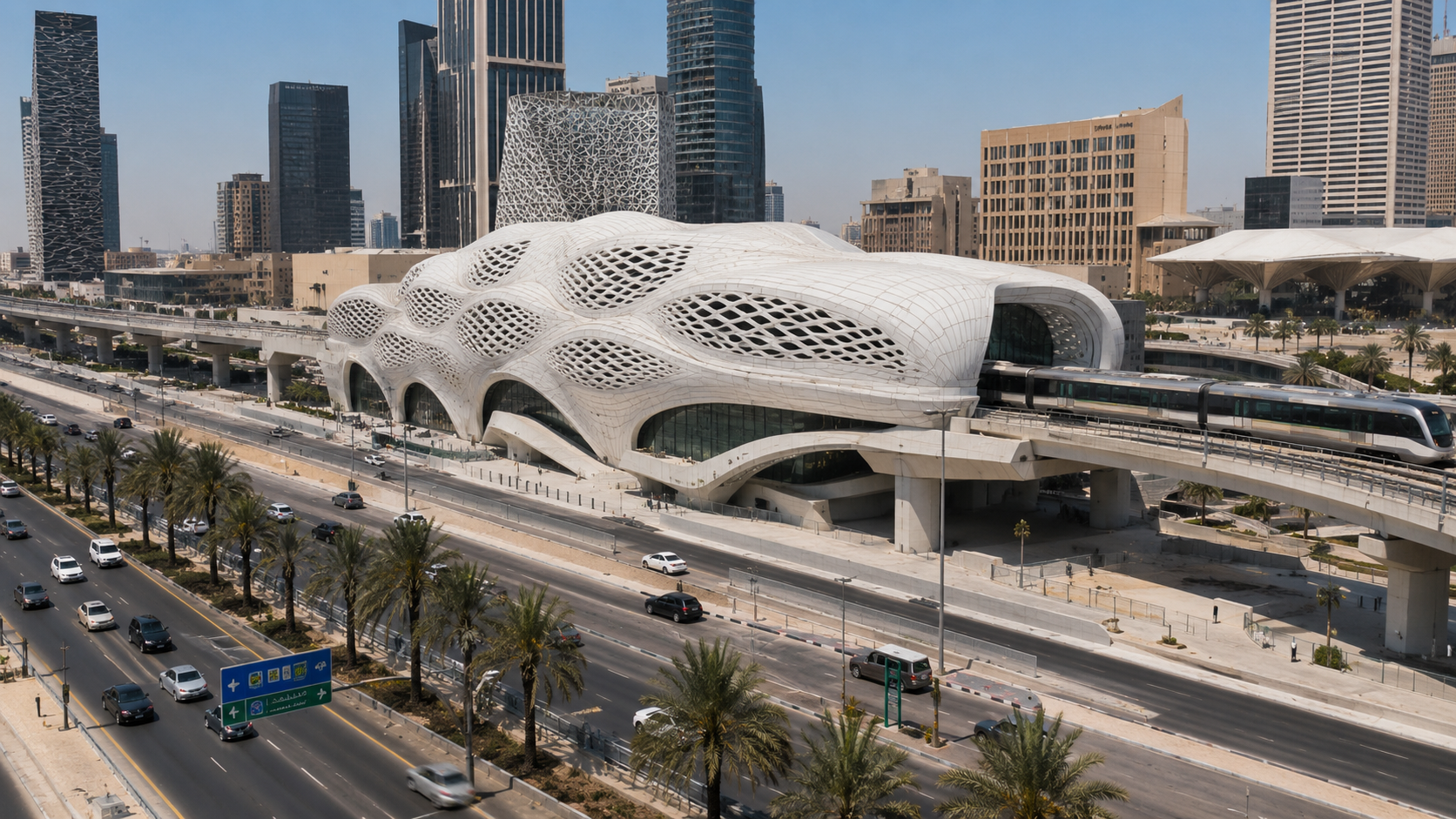
Riyadh Metro has changed how the capital’s property market is priced. Distance to the nearest station now sits alongside district and unit size in what buyers weigh, and the effect is already measurable: within a single district, homes near stations have grown in value at a different rate from those on its outer edges.
The station itself does not create value. Three mechanisms do.
A King Saud University study of the KAFD station recorded a 15 to 30 percent rise in vertical residential density, alongside a shift toward mixed-use.
Knight Frank’s 2025 analysis identified what it called a metro premium, comparing price growth near stations with growth in the same district’s outer areas.

Source: Knight Frank, 2025 (Q2 2023 – Q2 2025).
The same research estimates that 1.5 million of Riyadh’s 8.3 million residents live within a 15-minute walk of a station. King Saud University puts the uplift at 10 to 25 percent in market and rental value within 400 to 800 metres. The pattern is consistent: the gap widens in districts that were poorly connected before the metro, and narrows in established ones.
Dubai is the closest comparable market. Its metro has run since 2009, and its transaction data has been studied academically. The findings are less uniform than the headlines suggest.
JLL puts the walking-distance premium at between 5 and more than 25 percent, with high-density communities gaining far more than villa communities. The lesson for Riyadh: proximity pays, but sitting on top of a station does not.
CBRE recorded a premium of around 20 percent on homes near Elizabeth Line stations — and it materialised after the project was approved, well before services began in 2022. Over a longer window, prices near stations rose 80 percent between 2008 and 2023 against 74 percent in the surrounding areas: a net premium of six percentage points.
The takeaway is about timing. Most of the gain lands between announcement and opening, not after. That puts announced Riyadh Metro extensions, including the Red Line expansion toward Diriyah, in the window investors are watching now.
The districts that gain the most share three traits: density with room to grow, proximity to employment hubs, and weak connectivity before the metro.
Low-density villa communities gain less, since residents there still commute by car. Sitting on a metro line is not enough on its own — what matters is genuine walking distance to a station.
Evidence from comparable markets points one way: the metro effect is stronger on commercial property. Stations generate concentrated daily footfall, which serves retail and offices far more directly than a residential unit. That shows up in three places.
Residential remains less volatile and easier to exit. There, the metro effect shows as faster letting and firmer rents rather than a sharp price jump.
Expo 2030 will run on a six-million-square-metre site north of the capital, next to King Salman International Airport, with more than 40 million visits expected. Expo 2030 Riyadh Company estimates a GDP contribution of around SAR 241 billion during construction and roughly 171,000 direct and indirect jobs.
Both forces push the same way. Metro access determines how easily a district is reached; Expo determines how many people need to reach it. North Riyadh corridors close to both carry the strongest case. The usual caution applies to any event-led cycle: judge an asset on net yield and clear title, not projected price.
Riyadh continues to grow on the back of Vision 2030 and Expo 2030, and demand has followed into districts served by the network. Currently available through Mada Properties:
The Riyadh Metro effect on property values is real, but selective. It widens in mid-priced districts, narrows in established ones, and favours commercial over residential. Most of the growth arrives before a line opens, which makes timing the decisive variable.
Speak to the Mada Properties team for a recommendation built on market data rather than assumptions.
August 27, 2026
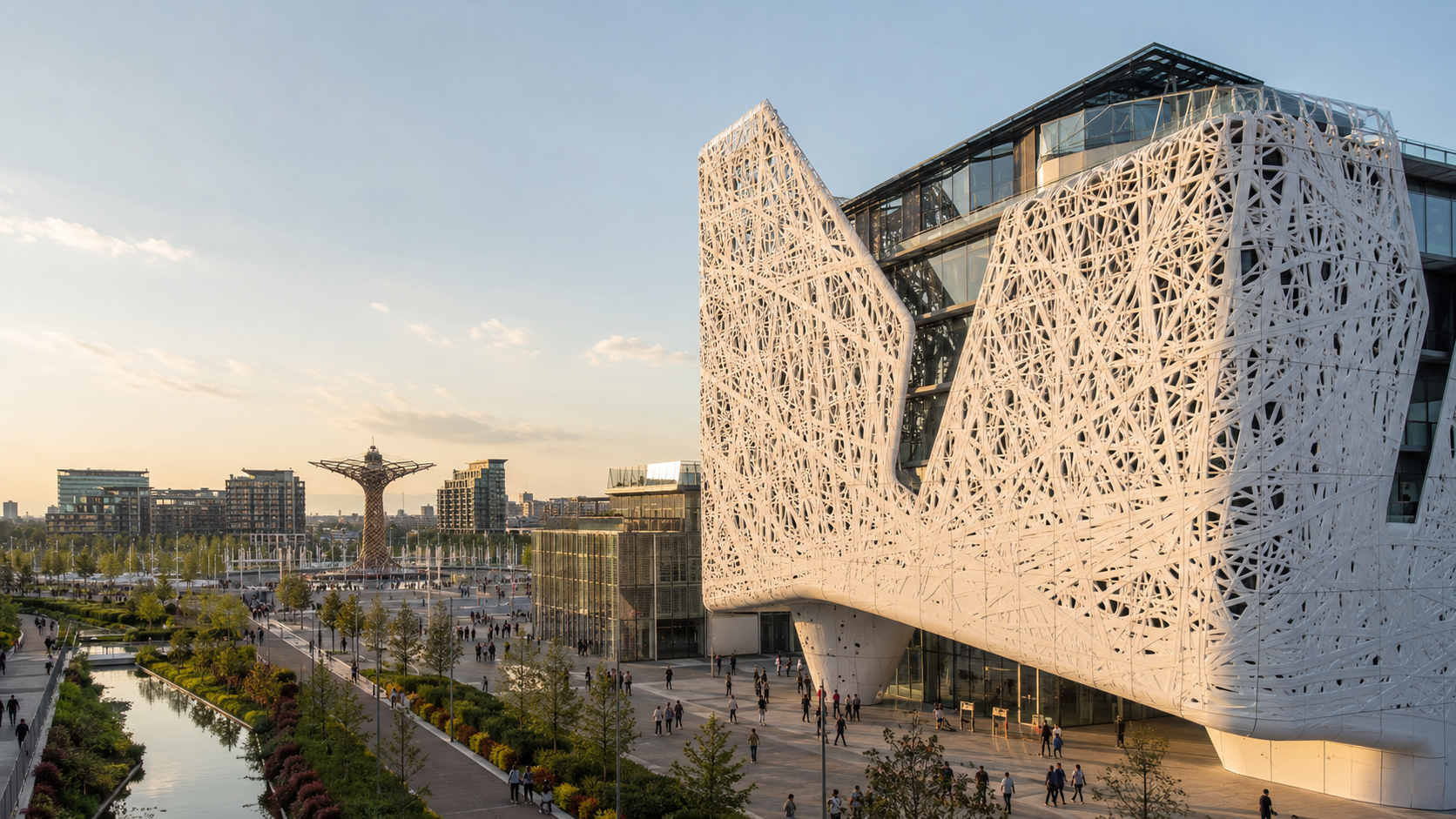
Milan hosted Expo 2015 for just six months. A decade later, the effect is still visible in its property prices and transaction volumes. For anyone watching Riyadh prepare for Expo 2030, that makes Milan worth a closer look.
Here is what happened in the Milan market before and after the event, and what Saudi investors can take from it.
Milan entered its hosting period still recovering from the 2008 crisis, with home prices around 30% below pre-crisis levels. Momentum built as the event approached: residential sales rose roughly 6.8%, and the city climbed from 24th to 12th in PwC's European city attractiveness ranking.
The fairground, northwest of the city in the Rho-Pero area, later became the Milan Innovation District, home to a hospital, research centres, a university campus and housing. Neighbouring areas felt it directly: in Cascina Merlata, beside the site, the average price per square metre rose from EUR 2,776 to EUR 3,993, up 44%, with transactions up 78%.
Activity moved before prices did. Between 2015 and 2021, residential transactions rose 48.2%, retail sales 60.5%, and offices jumped 179.7%. Rents in the city centre climbed around 40%. Prices rose 30% to 40% overall from 2015, and by 2022 sales volumes were double their pre-Expo level, with selling times halved.
Riyadh will host Expo 2030 in the north of the city, where the supporting infrastructure is already under construction. The early-entry window here is shorter than Milan's was.
A global event does not lift a market evenly. It lifts the locations the new infrastructure actually serves, which is where a professional broker earns their place.
At Mada Properties we track where value is forming and recommend accordingly. Let's talk about north Riyadh.
August 27, 2026
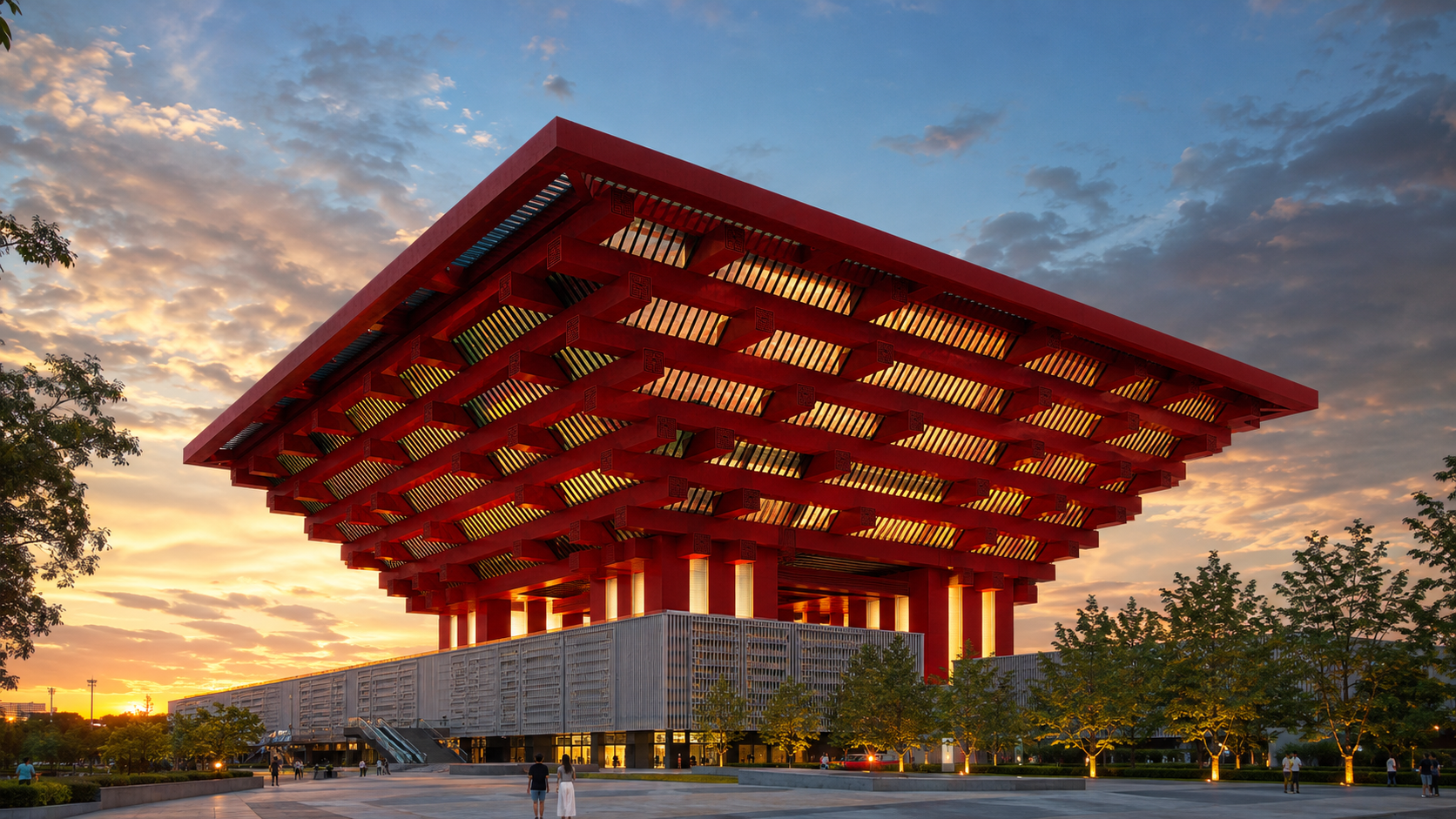
Shanghai hosted Expo 2010 and emerged with a transport network that reset capital values across the city. Riyadh now prepares to host Expo 2030, which makes one question worth asking: what does the Chinese experience actually tell us?
This blog sets out what Shanghai recorded, and what it means for buyers in Riyadh today.
A world exposition was held over 184 days in Shanghai, across 246 pavilions. Attendance exceeded 70 million, according to the Saudi Press Agency, and Saudi Arabia's pavilion was among the most visited. Estimates put its contribution near 5% of the city's GDP.
The driver was infrastructure, not the exposition. Shanghai brought forward its metro expansion, opened a section of the Middle Ring Road connecting the city to Pudong International Airport, and redeveloped the riverfront, at a hosting cost estimated near US$45 billion.
Between 2009 and 2016, the average secondary-market apartment price moved from 19,810 to roughly 52,140 yuan per square metre. The Expo was not the sole cause; a nationwide credit cycle and sustained urbanisation ran in parallel. Its contribution was compressing years of infrastructure delivery into a short window, concentrating appreciation along the new corridors.
Demand is concentrated in north and central Riyadh, close to transport corridors and business districts. Among the projects available through Mada:
Shanghai showed that micro-location determined returns, not the city as a whole. That judgement requires an adviser with no stake in a particular site. Mada is a professional brokerage, not a developer, so we compare stock across districts and stay involved through handover.
The point is not that Shanghai values rose, but where they rose and how early. Districts in the catchment of the new works moved first, and early buyers transacted at pre-delivery pricing. Riyadh sits at a comparable stage.
Set your budget and target district, then contact the Mada Properties team to compare stock before pricing reflects the completed infrastructure.
August 26, 2026
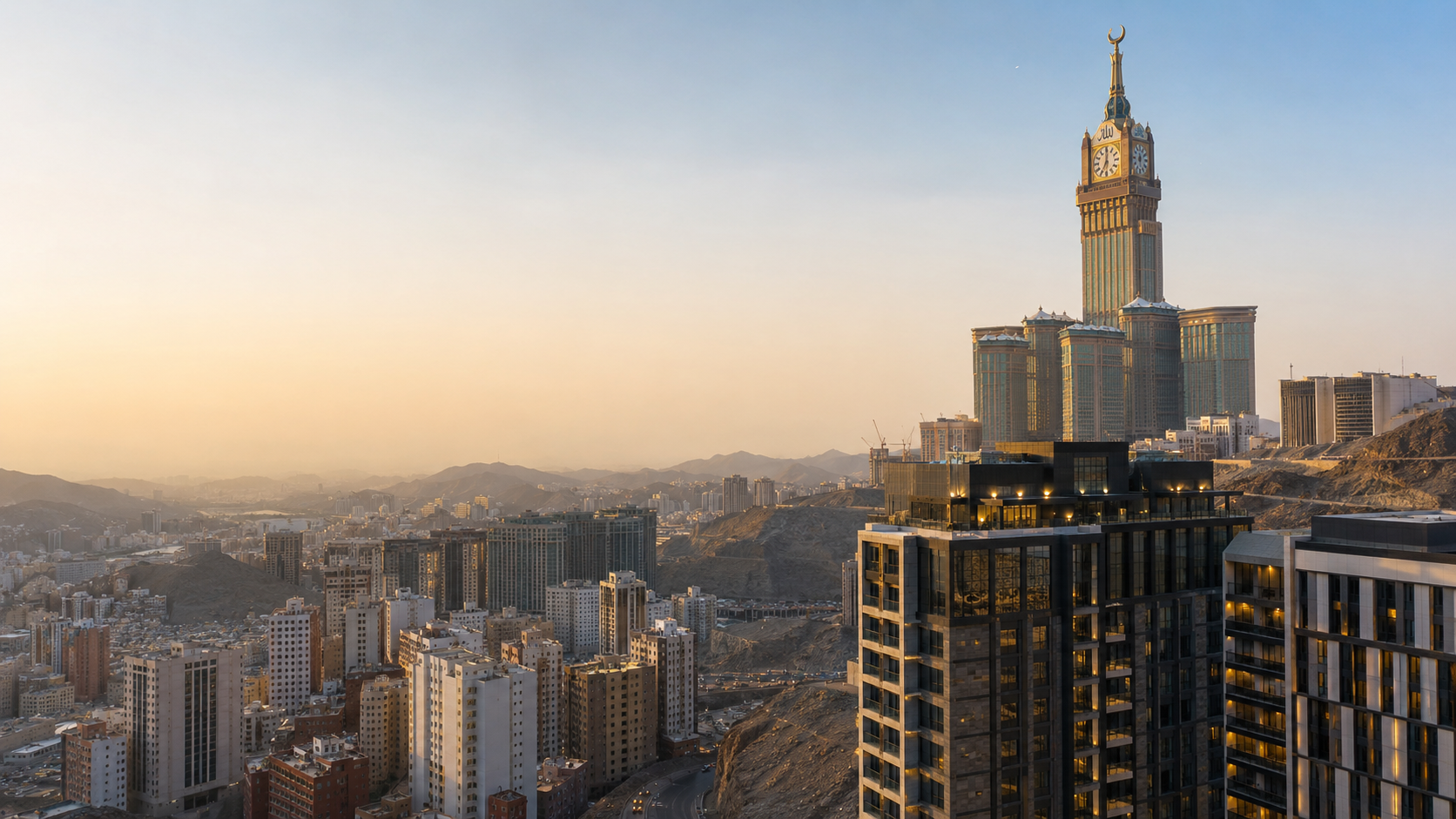
Mecca real estate investment follows a different logic from any other market in Saudi Arabia. Demand here is driven by the year-round movement of pilgrims and visitors rather than by economic cycles alone. With limited developable land inside the central area, supply stays tighter than demand for most of the year.
Proximity to the Grand Mosque is the single most important factor in pricing any property in the city. The closer a location sits to the central area, the higher the price per square meter and the stronger the seasonal rental yield. The boundaries of the holy sites and the surrounding mountainous terrain also restrict horizontal expansion, which makes limited supply a structural feature of this market rather than a temporary condition.
According to the General Authority for Statistics, more than 11.2 million Umrah performers visited during the fourth quarter of 2025 alone, including roughly 5.7 million arriving from outside the Kingdom. This continuous flow creates genuine demand for housing and short-term rentals throughout the year, not during a single season.
Property in Mecca generates income through two channels: stable annual leases to residents and people working in the city, and premium seasonal rentals during Ramadan and the Hajj season. This mix reduces reliance on a single income stream, though capturing the full seasonal upside calls for professional property management.
Mecca records lower property turnover than other Saudi cities. Many owners treat property here as an asset to hold and pass down within the family rather than one to trade for short-term gain, a pattern reinforced by the city’s long-standing endowment (waqf) tradition.
This has a direct effect on the market: the fewer units placed up for sale, the scarcer available inventory becomes, and that scarcity supports long-term value stability.
With the updated non-Saudi property ownership regulations taking effect in 2026, we recommend confirming the current zones and conditions with the General Real Estate Authority before making any commitment.
The two are not mutually exclusive. Many investors split their portfolio between both cities.
What sets Mecca real estate investment apart is not an exceptional return in any single year. It is a source of demand that cannot be substituted or relocated, paired with supply that is limited by nature. That combination is what makes the city a preferred choice for anyone focused on preserving value across generations rather than chasing quick gains.
Contact the Mada Properties team for advice grounded in real market data, and to identify the opportunity that best fits your goals.
August 26, 2026
The Non-Saudi Real Estate Ownership Law came into force on 22 January 2026, and the Council of Ministers approved its executive regulations and the Geographic Zones Document in June of the same year. Buying property in Saudi Arabia as a foreigner is now governed by a published framework rather than case-by-case approvals. One point before we start, because it is the one most often confused: ownership and residency are two separate tracks.
The law is the updated regulatory framework that allows non-Saudis — residents inside the Kingdom, non-residents abroad, and foreign companies and entities — to acquire property rights, subject to defined controls and geographic zones.
Applications are submitted through the Saudi Properties portal, the official digital platform integrated with the real estate registry. The law also repealed Royal Decree No. 44 of 1377H, while preserving ownership rights that non-Saudis had lawfully acquired before it took effect.
What the framework grants is a defined set of property rights. Six stand out:
One qualification matters throughout: the law confers property rights, not residency privileges — which we cover below.
Start with who is eligible:
Then the requirements that apply to the transaction itself:
The property must fall within a permitted geographic zone.
Before committing any funds, verify the broker’s FAL licence, and the project licence if the unit is sold off-plan. Both checks are free and take minutes.
The zones cover Riyadh, Jeddah and cities and governorates across the Kingdom. But the document does more than name cities: it sets out maps of specific locations showing permitted ownership percentages, the types of property rights that can be acquired, permitted durations, and the controls attached to each zone.
The practical consequence is that the question is not "are foreigners allowed to buy in this city?" but "what does the zone this specific property sits in actually permit?" Check that before you pay a reservation amount, not after.
No. The Non-Saudi Real Estate Ownership Law states that ownership alone grants no additional rights or privileges, residency among them.
Residency is a separate track, beginning with an independent application to the Premium Residency Center under its Real Estate Owner Residency product. Its published conditions include:
The residency runs for as long as the qualifying property is held. Terms are subject to change, so confirm them with the Premium Residency Center before building a decision around them.
Riyadh leads property demand in the Kingdom, supported by Vision 2030, the giga-project pipeline and continued population growth. The following projects are currently available through Mada Properties:
These range from ready units to off-plan, and the two differ in payment structure and in when you take possession. Decide which suits your objective before comparing the projects themselves.
We work as a licensed brokerage rather than a developer, so the options we show you are the market’s, not our own inventory. That includes verifying a property’s regulatory position, matching it to your objective, and staying with you through to title transfer.
The order is straightforward: confirm the geographic zone first, then the property’s regulatory position, then the broker’s licence. And if residency is your objective, treat it as a separate decision with its own threshold.
Before you choose a property, make sure it sits within a zone that permits you to own it. Speak to the Mada Properties team to check any project’s regulatory position and how well it matches your objective.
August 2, 2026
Before you ask which property to buy, ask which type to buy. Choosing among the types of real estate investment is the decision that sets how much capital you need, what shape your return takes, and how quickly you can exit if circumstances change. With the options in Saudi Arabia now spanning residential, commercial, land, off-plan and funds, the question is no longer whether to invest in property — it is which type.
Before comparing, one distinction that trips up a lot of investors:
The type determines what you own; the strategy determines how you profit from it. This guide focuses on the type.
Covers apartments, villas and residential units within larger developments. It carries the broadest demand in the Saudi market, because that demand is driven by a basic need rather than a business cycle, which makes it the least volatile of the six.
Investors who want regular rental income with limited risk, and first-time buyers entering through direct ownership.
You can browse available residential units across Mada Properties’ developments and compare them by district and price.
Covers offices, retail units and commercial space. It offers longer lease terms, and tenants often carry part of the operating and maintenance costs, which lifts the net yield above residential.
Investors with larger capital and a longer horizon, who accept that the return tracks the business cycle.
Buying a plot to hold until its value rises with urban expansion, or to develop later. Its main advantage is that it needs no maintenance, no management, and never becomes obsolete. The trade-off is that it produces nothing until it is sold or developed.
Investors with surplus liquidity they will not need for several years, and the patience to wait for the location to mature.
Buying a unit under construction below its expected handover price, paying in instalments tied to construction milestones. It is one of the fastest-growing types in the Saudi market, because it lets you enter at a lower price with payments spread across years rather than a single lump sum.
Investors who want early entry into a promising location without holding the full amount today, and who can wait until handover.
Rather than buying a whole property, you buy units in a managed portfolio listed on the financial market and receive periodic distributions. It is the lowest-cost entry into the property sector.
Investors entering the property market with small capital, or diversifying an existing portfolio without taking on any management burden.
Covers warehouses, storage facilities and industrial units. Demand has grown alongside the expansion of logistics activity and e-commerce in the Kingdom, and it offers long lease terms with institutional tenants.
Institutional investors, or those with direct experience in this specific sector.
The fastest route to the right type is not searching for the best one — it is eliminating the ones that do not fit. Each of your constraints removes one or more from the list:
What survives those four cuts is your real shortlist, and it rarely runs to more than two options.
Note that none of these started with the question "which one yields most?" The return is the result of choosing correctly — not the criterion for choosing.
When it comes to choosing the type specifically, who advises you matters more than anything else. A developer holding a residential project will recommend residential. A landowner will recommend land. Not because they are misleading you, but because that is all they have.
At Mada Properties we work as a licensed real estate broker rather than a developer, which means we have no stake in steering you toward one type over another. We start from your objective, then search the whole market for what serves it.
No type is better than another in the abstract — only better suited to a specific objective, horizon and level of capital. Residential gives you stability. Commercial gives a higher yield at greater risk. Land gives growth without income. Off-plan gives early entry at a lower price. REITs give an easy way in with high liquidity.
Start by settling your objective and your time horizon, then speak to the Mada Properties team for a recommendation built on an actual reading of the market rather than a list of available units.
August 2, 2026
Saudi Arabia hosts the Asia Cup 2027 from 7 January to 5 February, with 24 teams playing across Riyadh, Jeddah and Khobar. For the Saudi real estate market, the significance is not the month of football. It is the build cycle underneath it, one that runs on to Expo 2030 Riyadh and the 2034 World Cup.
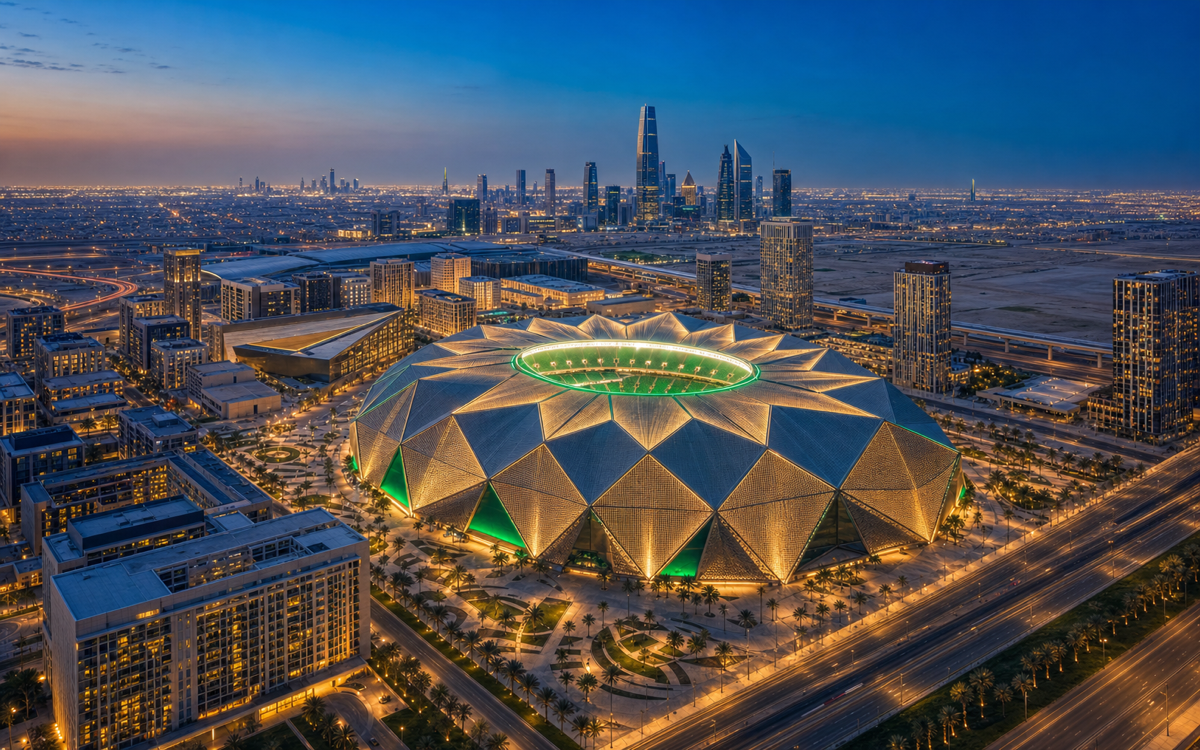
The property impact starts with the project ledger, not the match schedule. What is taking shape:
These are permanent assets; they outlast the final whistle.
The effect reaches the market through three channels.
Short-term rentals appear fastest and fade quickest, concentrated around venues during the tournament weeks. Infrastructure capitalisation matters far more: a district exits with a higher service level than it entered with, and that lift in land and unit values holds. Third, accelerated delivery timelines in Riyadh convert seasonal demand into structural demand.
Yes, but selectively rather than across the board. Gains concentrate near venues and new transport corridors, while the wider market stays governed by supply, demand and financing conditions. Outcomes from previous host cities should not be transposed onto Saudi Arabia mechanically.
The broader trend is the more reliable guide. The Real Estate General Authority projects the market to reach around 101.62 billion dollars by 2029, at roughly 8 percent CAGR. Vision 2030 drives that trajectory; the tournament accelerates it rather than creating it.
Demand concentrates in north and central Riyadh, closest to transport links and business districts. Currently available through Mada:
We work as a licensed brokerage rather than a developer, so the options we show you are the market's, not our own inventory. We read the indicators, shortlist what fits your objective, compare the alternatives honestly, and stay with you through completion.
The Asia Cup 2027 will not redraw the Saudi property map overnight. It will accelerate a cycle already under way and hand specific districts a lasting advantage. Talk to Mada Properties about the option that fits your objective.
7 January to 5 February 2027 in Saudi Arabia, across Riyadh, Jeddah and Khobar, with 24 teams.
No. Gains concentrate near venues and new transport corridors; the wider market follows supply, demand and financing.
The short-term rental effect does. The infrastructure effect stays and continues supporting values.
August 2, 2026
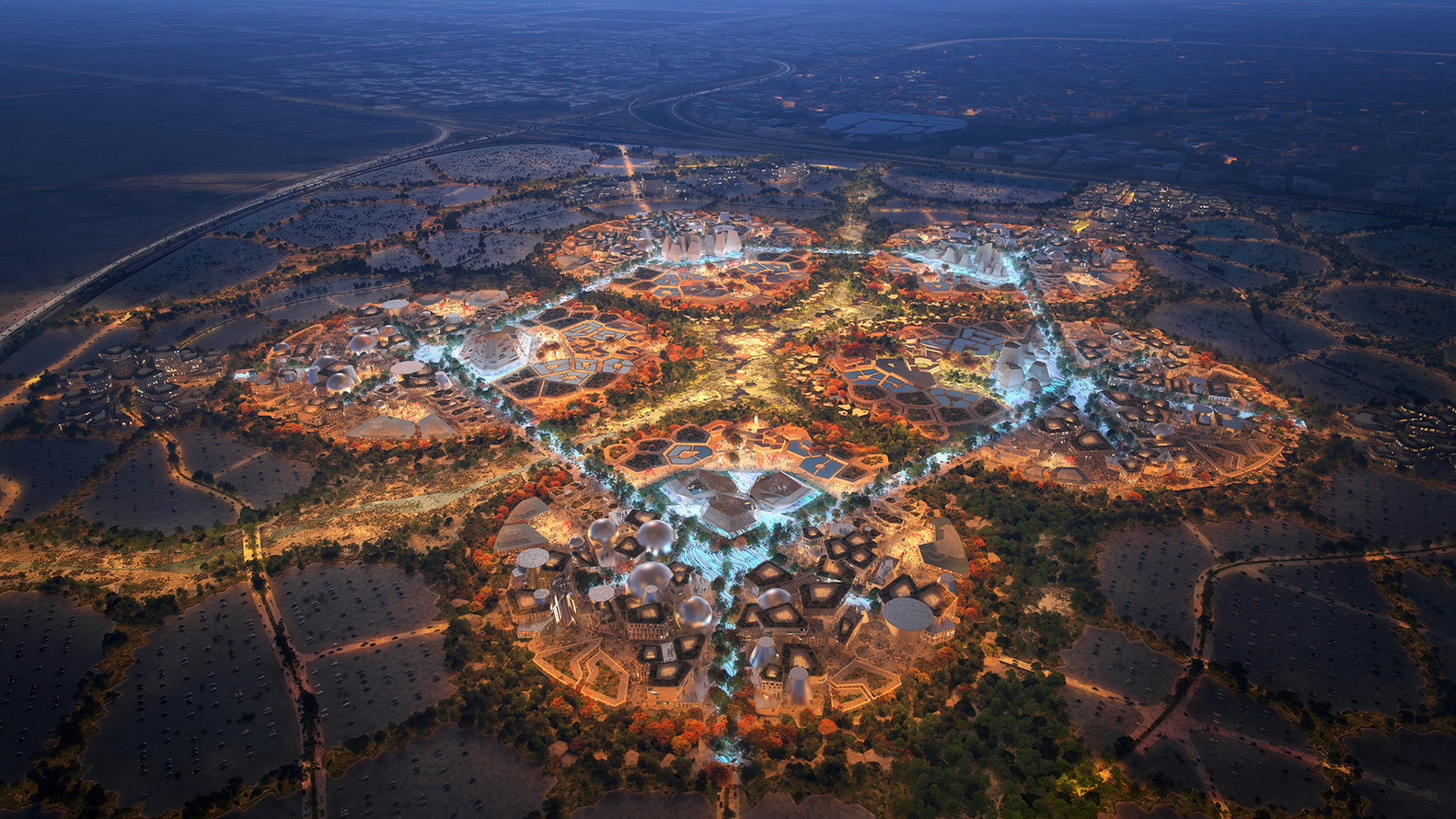
Riyadh will host Expo 2030 on a six-million-square-metre site north of the capital, next to King Salman International Airport, with more than 40 million visits expected. This article covers how Expo 2030 impacts real estate investment in Riyadh, where the opportunities are concentrated, and when the timing is right to enter.
The event draws millions of visitors and thousands of companies and delegations, lifting demand for residential, hotel, and commercial units before and after it takes place. With limited developed land in the serviced areas of North Riyadh, this demand gradually pushes prices and rental yields upward around the site.
Estimates from Expo 2030 Riyadh Company, owned by the Public Investment Fund, point to a GDP contribution of about SAR 241 billion during the construction phase, and more than SAR 262 billion in total. This spending concentrates in construction and infrastructure — feeding directly into the value of nearby real estate assets.
The project is expected to create around 171,000 direct and indirect jobs, according to the organizer. Each hiring wave means new residents moving to Riyadh and additional demand for housing and rentals, especially in districts close to work hubs.
Dubai and Shanghai show that real estate activity starts years before the event and continues after it. On the other hand, oversupply in some districts can pressure returns, so early entry into clearly titled assets near real demand drivers is preferable — judged on net yield, not projected price alone.
Mada Properties is a professional real estate brokerage — not a direct developer — giving you wider, more neutral options. We help you with data-driven advice to choose the right asset from Riyadh's projects before demand peaks. Contact us to build your property decision with confidence before 2030.
Most likely yes over the medium term, driven by demand and new infrastructure, with variation between districts.
North Riyadh districts near the site and the airport, such as Al Narjis, Al Arid, Al Fursan, and Al Sahafa.
Yes, under the approved ownership rules, with the option of Premium Residency when the conditions are met.