Aug 14, 2025
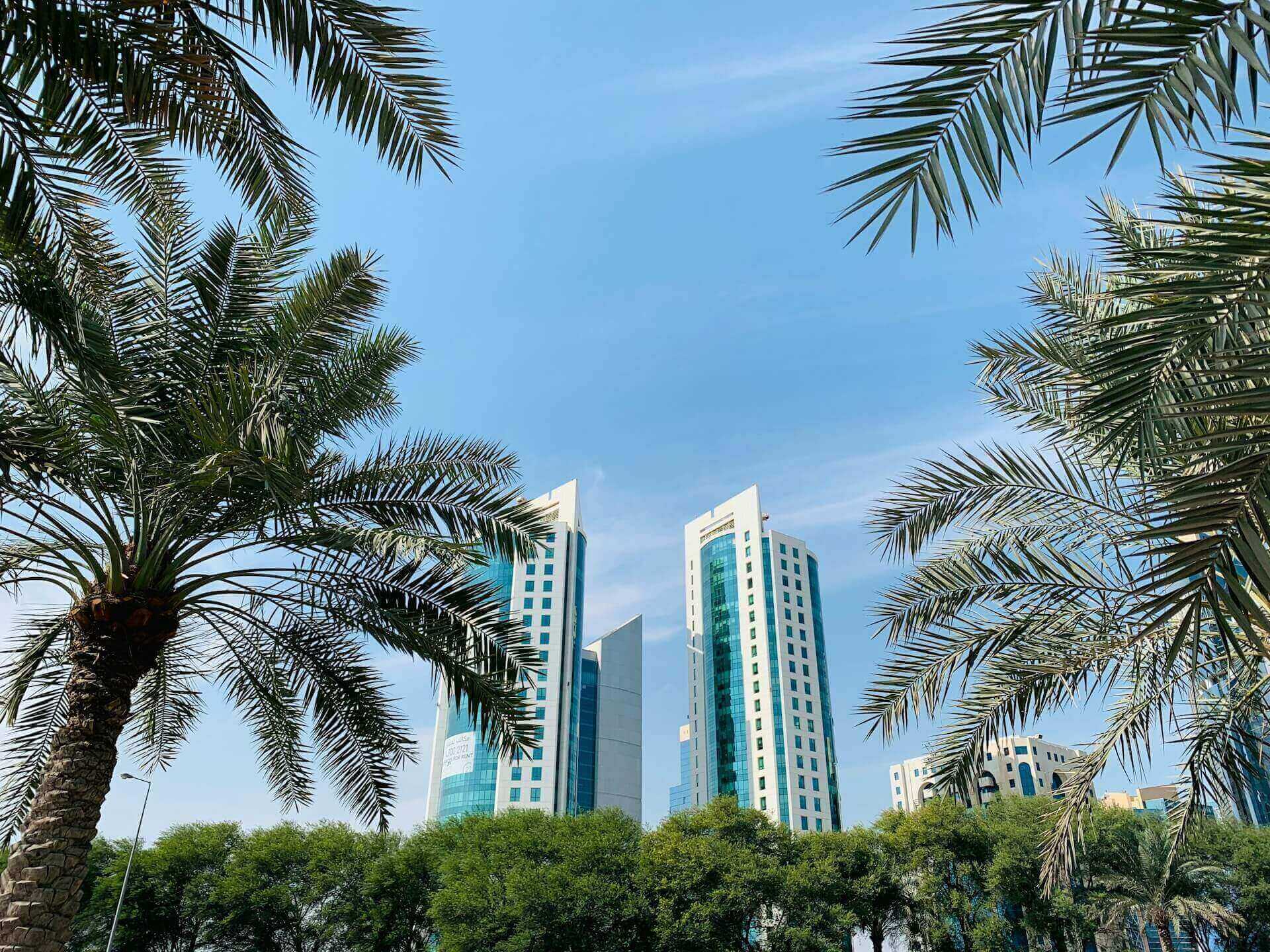
The idea of real estate investment in Saudi Arabia for expats is no longer a distant dream or a risky venture. Today, it’s a tangible opportunity, visible in the rapidly transforming skylines of cities like Riyadh, Jeddah, and emerging tourist destinations. Whether you're considering buying property for the first time or expanding your investment portfolio, the Saudi Arabia real estate market offers diverse opportunities—residential ownership, rental income, or early entry into future mega-projects. But before diving in, understanding the laws, fees, and potential returns is crucial to turning your vision into a successful investment.
Previously, foreign investment in Saudi property came with restrictions—limited zones and complex procedures. However, by mid-2025, Saudi Arabia announced a new law expanding foreign ownership of real estate, set to take full effect in 2026. This change allows individual and corporate investors greater access to residential and commercial properties within designated zones.
While not all areas will be open, this shift signals a more transparent and flexible market. For those eyeing investment opportunities in Saudi Arabia for expats, now is the perfect time to explore options—early movers will secure the best locations.
Imagine walking through Riyadh’s new neighborhoods or Jeddah’s revitalized corniche—what was empty land five years ago is now thriving with towers, cafes, and business hubs. The Saudi Arabia real estate market is evolving at an unprecedented pace, driven by Vision 2030’s urban and economic reforms.
Investing today isn’t just about buying property—it’s about entering a market where cities are being redesigned, and early investors stand to gain the most.
Currently, expat residents can buy property with a valid iqama (residency permit) via the Absher platform, subject to location and usage restrictions. Starting in 2026, the new law will allow non-residents to own property for housing or investment purposes within specified zones.
Key points:
When buying property, the listed price isn’t the full story. Key costs include:
Always factor these into your budget before committing.
Buying off-plan properties can offer lower prices and customization, but expats face financing hurdles:
Verify project licenses and developer credibility before investing.
Location is everything Top areas to invest in Saudi Arabia include:
Profit isn’t just from resale—rental income matters. Major cities offer strong demand, while tourist areas yield seasonal returns. Plan your exit:
Not automatically. However, Saudi Arabia’s Premium Residency – Real Estate Owner category allows eligibility if:
The Saudi Arabia real estate market is one of the region’s most dynamic, fueled by economic diversification and urbanization. For expats, the key to success lies in:
With Vision 2030 reshaping the Kingdom, real estate investment in Saudi Arabia for expats isn’t just profitable—it’s a gateway to long-term wealth.
Yes, with residency (iqama) or under new 2026 rules for non-residents.
5% Real Estate Transaction Tax (typically paid by the seller).
Riyadh (residential demand), Jeddah (coastal/tourism), and NEOM/Red Sea (future growth).
Only via the Premium Residency scheme (4M SAR minimum investment).
Yes, if the developer is licensed and the project is government-backed.
Stay informed with expert-written articles and the latest trends in the real estate market.
October 28, 2026
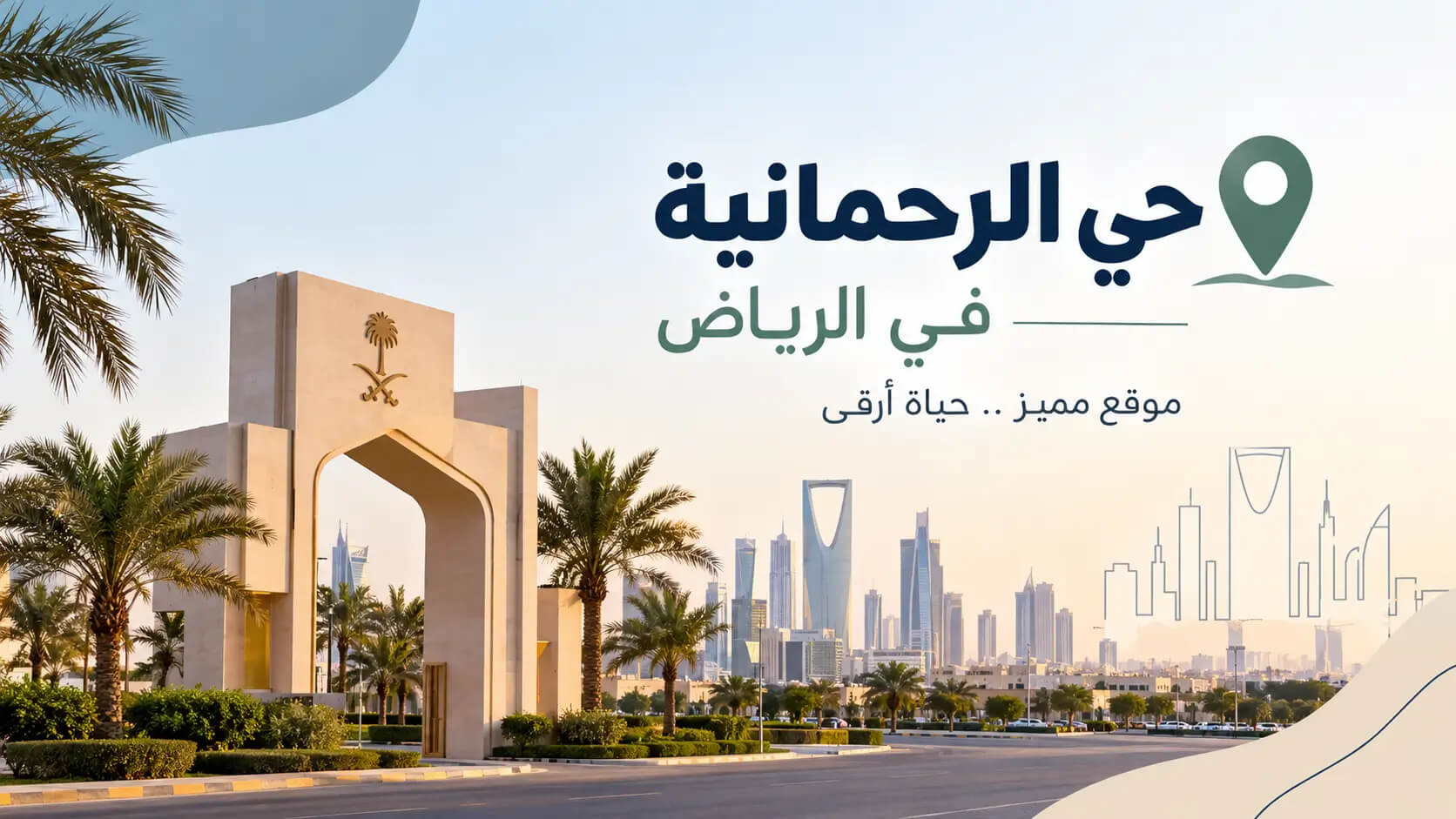
Al Rahmaniyah district Riyadh sits in the north of the capital at Exit 10, within the Al Muath municipality area, and ranks 13th out of 177 residential districts in Riyadh by median price per square metre, according to Ministry of Justice transactions published through the Raghdan platform.
That rank says one thing clearly and hides another: the district is expensive, but it has few transactions, so any figure you read rests on a small number of deals. This guide shows the numbers together with their limits.
It covers the district's location and boundaries, the exit, price per metre against neighbouring districts, apartments and villas, schools, hospitals and hotels, a rating of the district, and Mada Properties projects you can use as a yardstick.
The district is ringed by four main roads and upscale neighbours:
Al Takhassusi Street is among its best-known internal streets.
Al Rahmaniyah is at Exit 10 in Riyadh, with fast access to the city's main routes because the district sits between major roads on all four sides.
The median residential price is SAR 10,293 per square metre, calculated on residential deals in the last 24 months (latest deal 25 September 2025), from Ministry of Justice data shown by Raghdan (updated 7 August 2026).
Against neighbours on the same platform: Al Sahafa SAR 12,691, Hittin 10,536, Al Olaya 10,364, Al Rahmaniyah 10,293, Al Malqa 9,000 and An Narjis 8,478.
The limits matter. The district recorded 14 residential deals in 24 months and 321 deals since 2020, which ranks its trading activity 126th of 177. Treat the figure as an indicator of level, not the price of a specific property.
The median size of recent residential deals is about 450 m², so deals lean towards larger plots and villas rather than small units.
Apartments, floors and townhouses are available for sale and rent. Compare any unit's price per metre with the district median (SAR 10,293) and with neighbouring districts.
Villas tend to sit on large plots, which is what the median size reflects.
Commercial property is 8% of deals and includes offices and shops for long-term investment.
There is no official district rating, so we read it from four angles:
It suits people who will live there for years or invest long term and accept lower liquidity for a settled location. It does not suit someone who needs a quick sale or a low entry price.
Mada Properties does not currently list a project inside Al Rahmaniyah, but these five available projects work as a yardstick for any offer you see in the district.
Thuraya Tower is in Al Olaya, with one- to three-bedroom apartments from Wathba for Investment. It is the closest price comparison, since the median in Al Olaya is SAR 10,364 per metre. Prices start from SAR 1.9 million, with handover expected in Q3 2028.
Rayah Tower in Al Sahafa is developed by Jiwar Al Arabia and has 48 apartments and penthouses on a 900 m² plot, with two lifts and a maid's room. Its page shows the licence number (485) and the Wafi permit. Prices start from SAR 1,785,000, with handover expected in Q4 2028. Al Sahafa is pricier than Al Rahmaniyah, at SAR 12,691 per metre.
Summit Tower is in Al Sahafa, developed by Summit for Real Estate Development and Investment, with one- and two-bedroom apartments from SAR 995,000 and handover expected in Q2 2028, the lowest price on this list.
For a ready villa, Amaas 21 Villa offers villas for sale by Amaas Real Estate Development in central Riyadh, according to its page, from SAR 1,950,000.
For commercial property, Al Adwan Tower offers 122 flexible office units in Al Nakheel near the King Abdullah Financial District, from SAR 1.9 million, with handover expected in Q4 2027.
See all available projects on Mada Properties' projects page.
Mada Properties is a professional real estate broker, not a developer, so we start from your goal, not from a project we own. In a district with few deals like Al Rahmaniyah, a broker who reads the market, not just the averages, adds real value. Contact us to compare what you see in the district with what is available today.
Al Rahmaniyah district Riyadh combines a strong location at Exit 10 with a high price and limited liquidity. That suits buyers who plan to stay, not those who plan to sell quickly. Before any decision, compare the price per metre you are offered with the district's common range (SAR 8,266 to 12,063) and ask for recent comparable deals.
October 26, 2026
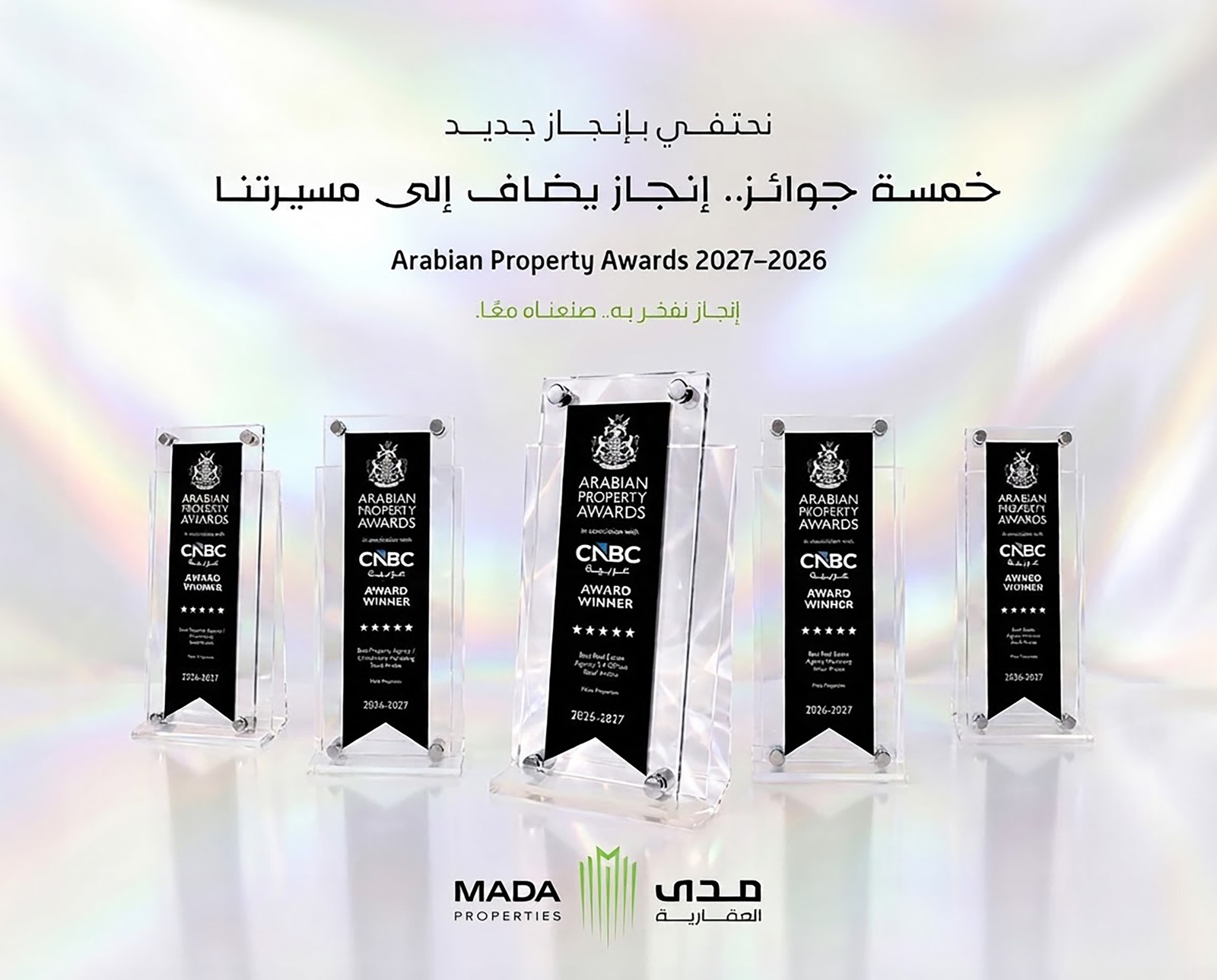
Mada Properties has won five awards at the Saudi Arabia Property Awards 2026-2027, the Saudi categories of the Arabian Property Awards presented in association with CNBC Arabia, each carrying a five-star rating.
The five awards cover the real estate agency, property consultancy, real estate marketing and the agency website. They extend a record that began in the 2023-2024 season with a single category and has grown in every season since.
This article explains what the awards are, how they are judged, what each of the five awards recognises, and how to verify any real estate company's awards before you rely on them.
The Saudi Arabia Property Awards are the Saudi categories of the Arabian Property Awards, which are part of the International Property Awards run by International Property Media in the UK. The awards recognise excellence in real estate, development, architecture, interior design and marketing, in both the residential and commercial sectors, with a focus on service, sustainability, originality and creativity.
The organiser announced a category named "Saudi Arabia Property Awards" and described it as the first global real estate award named after the Kingdom. Entrants apply at national level, a panel of experts judges the entries, and winners are invited to the awards ceremony and may use the award logo in their marketing. That is why Mada's trophies carry the words "Saudi Arabia" after each category name. Top winners in each region then go forward to the international awards.
All five trophies carry the Arabian Property Awards mark, the words "in association with CNBC Arabia", a five-star rating and the 2026-2027 season.
This category is for real estate agencies running between two and four offices. Mada publishes four office addresses in Riyadh: As Sahafah, Al Aridh, Al Rimal and Olaya Street.
A category that combines brokerage and advice. It matches what Mada does when it compares the options on the market and recommends districts and projects according to the client's goal, which is the role of a property consultancy.
This award covers the marketing of a real estate agency. Mada states in its articles that its marketing rests on reading the market, analysing data and reaching the right client.
The marketing category for agencies and advisory firms.
This one concerns the agency's website. Mada's site brings together projects, districts and articles, and a mobile app carries the same content.
See the record of earlier awards on Mada's Awards & Recognition page.
The organiser states that the awards are judged by an independent panel of more than 100 industry experts, chaired by members of the UK House of Lords. Judging focuses on:
The path to an award has five steps:
The 2026 Arabia Property Awards celebration takes place on 5 November 2026 in the House of Lords, London, as a private event for a select number of award-winning companies, according to the event website.
According to Mada's Awards & Recognition page and blog:
The pattern is clear: from one category to five in four seasons. But every season is judged separately, so an earlier award does not replace a look at the current one. For a wider reading of what these awards mean for an investor, see our article on Mada's award success story.
There is no official list that names the best real estate agency in Saudi Arabia, and awards are one signal among several. Whether you want a top real estate consultancy or a brokerage, ask:
A real estate agency handles brokerage and client service from advice to closing, while real estate marketing focuses on reaching clients and showing a project's value. That is why the awards separate the agency category from the marketing category, and Mada won both this season.
Choose an agency that works as a broker, not a developer: it compares projects for you instead of promoting its own.
Mada won two marketing categories this season. From the client's point of view, good marketing shows up in three ways:
We explain our approach in our guide to the best real estate agency in Saudi Arabia.
Many companies display award logos. Checking one takes minutes:
An award assesses a company's performance, while licensing is a legal requirement to operate. A five-star award and a brokerage licence are different things: the first goes to those who excel, the second is something nobody can operate without.
Check the broker's Fal licence, and the licence of the listing, with the Real Estate General Authority before any payment, then look at the awards.
Mada Properties is a professional real estate broker, not a developer, so we start from your goal, not from a project we own. We read the market, compare the options on Mada's projects page and stay with you to closing. The five awards recognise that approach, but they do not replace checking for yourself. Contact us and we will recommend what suits your budget and goal.
The Saudi Arabia Property Awards give clients an independent signal they can verify, provided you read it as it is: a category, a season and a level. Mada Properties holds five five-star awards in 2026-2027, but a good property decision starts with the licence, passes through comparison and is settled with numbers.
October 21, 2026
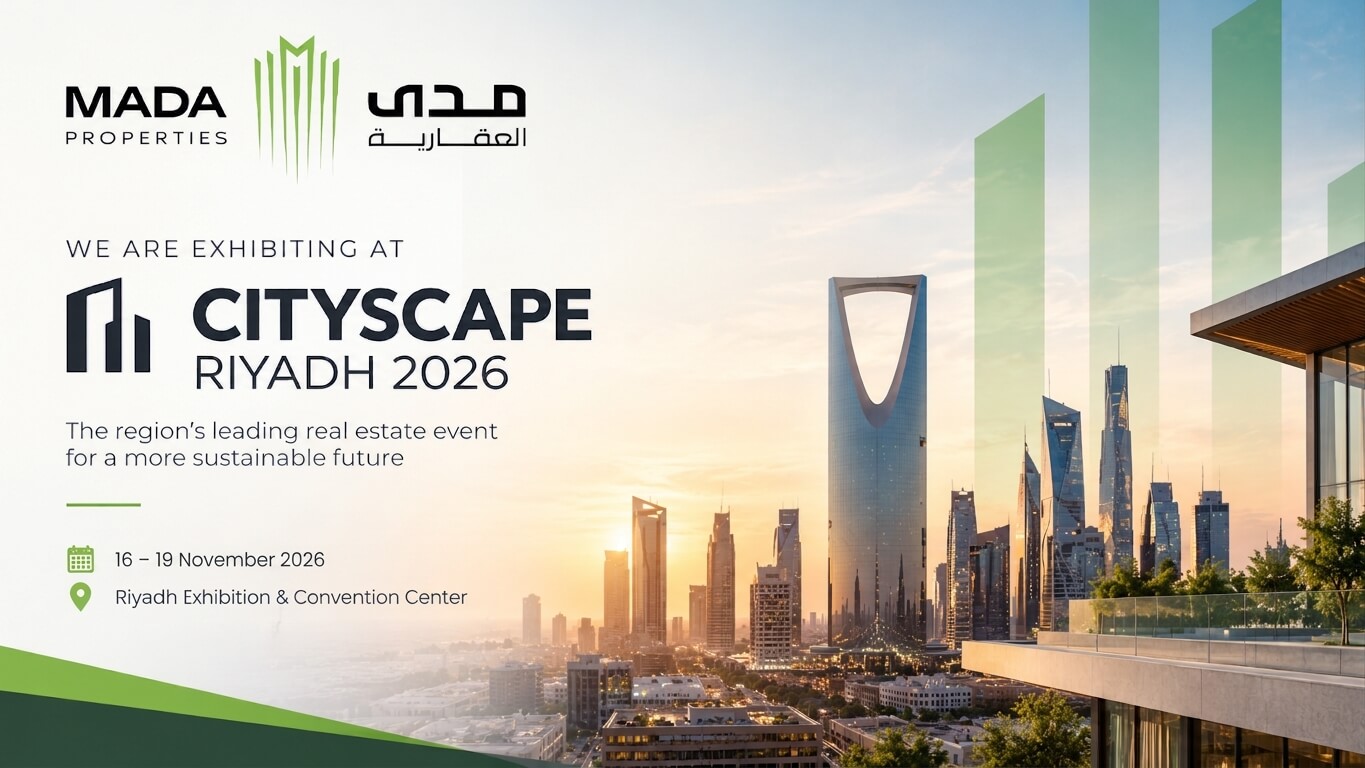
Cityscape 2026 Riyadh runs from 16 to 19 November at the Riyadh Exhibition & Convention Center (Malham), bringing developers, investors, banks and real estate decision-makers together for four days of project launches and deal-making.
The 2025 edition alone announced real estate deals worth SAR 237 billion in four days. That is why Cityscape is no longer only for developers: individual buyers and small investors now attend to see opening prices and payment plans before they reach the open market.
This guide covers what visitors look for most: the Cityscape 2026 date and venue, the exhibitor list, projects and offers, tickets and registration, how to get there, and how to prepare.
Cityscape 2026 Riyadh is the 2026 edition of Cityscape Global, which its organisers describe as the world's most attended real estate exhibition. It is organised by Tahaluf in partnership with the Real Estate General Authority (REGA), and this year's slogan is "The Capital of Real Estate".
The show in numbers:
It arrives months after Saudi Arabia's non-Saudi property ownership law took effect on 22 January 2026, which widened interest from abroad.
The Cityscape 2026 date is Monday 16 to Thursday 19 November 2026. Doors open to visitors from 12:00 pm to 10:00 pm every day.
The venue is the Riyadh Exhibition & Convention Center (Malham) in north Riyadh, about 30 km from King Khalid International Airport according to the organisers. Visitors often call it "Cityscape Malham".
The official exhibitor list is published on the Cityscape Global website and updates until the show opens. Confirmed so far:
Do not rely on the list alone: new launches may be announced during the show, so follow the show's and developers' channels across the four days.
The official ticket page describes mortgage solutions, ownership options and payment plans offered directly by developers and banks. In practice, Cityscape projects and offers come in three forms:
At the 2025 opening, Minister Majed Al-Hogail said real estate loans to individuals and companies reached about SAR 961 billion by Q2 2025 and citizen home ownership passed 65% at end-2024.
A show offer is not always the cheapest price in the market. Ask before you book:
Cityscape Riyadh 2026 offers three ticket categories: General, Business, and VIP. Each pass provides different benefits to suit visitors' needs, from exploring the exhibition to enjoying exclusive networking opportunities and premium hospitality services.
The General Pass is available free for a limited time, reduced from SAR 100. The offer ends on 15 November 2026. Benefits include:
The Business Pass costs SAR 2,438, including 15% VAT, reduced from SAR 3,000. It includes all General Pass benefits, plus:
The VIP Pass costs SAR 9,377, including 15% VAT, reduced from SAR 11,253. It offers a premium event experience with exclusive benefits, including:
The right ticket depends on your goals and budget. The General Pass is ideal for visitors exploring real estate opportunities, while the Business Pass suits professionals seeking networking opportunities and business services. The VIP Pass is designed for visitors who prefer exclusive access and premium hospitality.
Note: Ticket prices, promotional offers, and availability may change. Check the official Cityscape Riyadh 2026 ticketing page before registering.
To register: open the official ticket page or register by WhatsApp, choose a pass, enter your details exactly as on your ID (the pass is linked to your badge), pay by credit card if the pass is paid, then wait for the confirmation and badge emails. Each participant gets one pass only, fees are non-refundable and non-transferable, and accommodation and meals are not included.
The 2025 edition announced SAR 237 billion in deals over four days, including SAR 161.2 billion in the first two days. It also reported a 166,000 m² site (double 2023), 42 countries represented including 15 new ones, USD 6.1 trillion of real estate and infrastructure assets under management, 350+ investment meetings and 164,000+ attendees from 120+ countries.
Mada Properties is a professional real estate broker, not a developer, so we show you options as they stand in the whole market, not as a single developer presents them. Around a show, when offers and quick bookings pile up, a neutral broker compares launches with similar projects outside the show, checks the project's legal status and stays with you to closing. Contact us to compare what you see at the show with what is available today.
Cityscape 2026 Riyadh is the biggest chance this year to see the Saudi property market in one place: what will be launched, at what price and on what payment plan. It rewards visitors who arrive with a plan. Set your goal and budget before 16 November, register early, ask for every offer in writing and compare before you book.